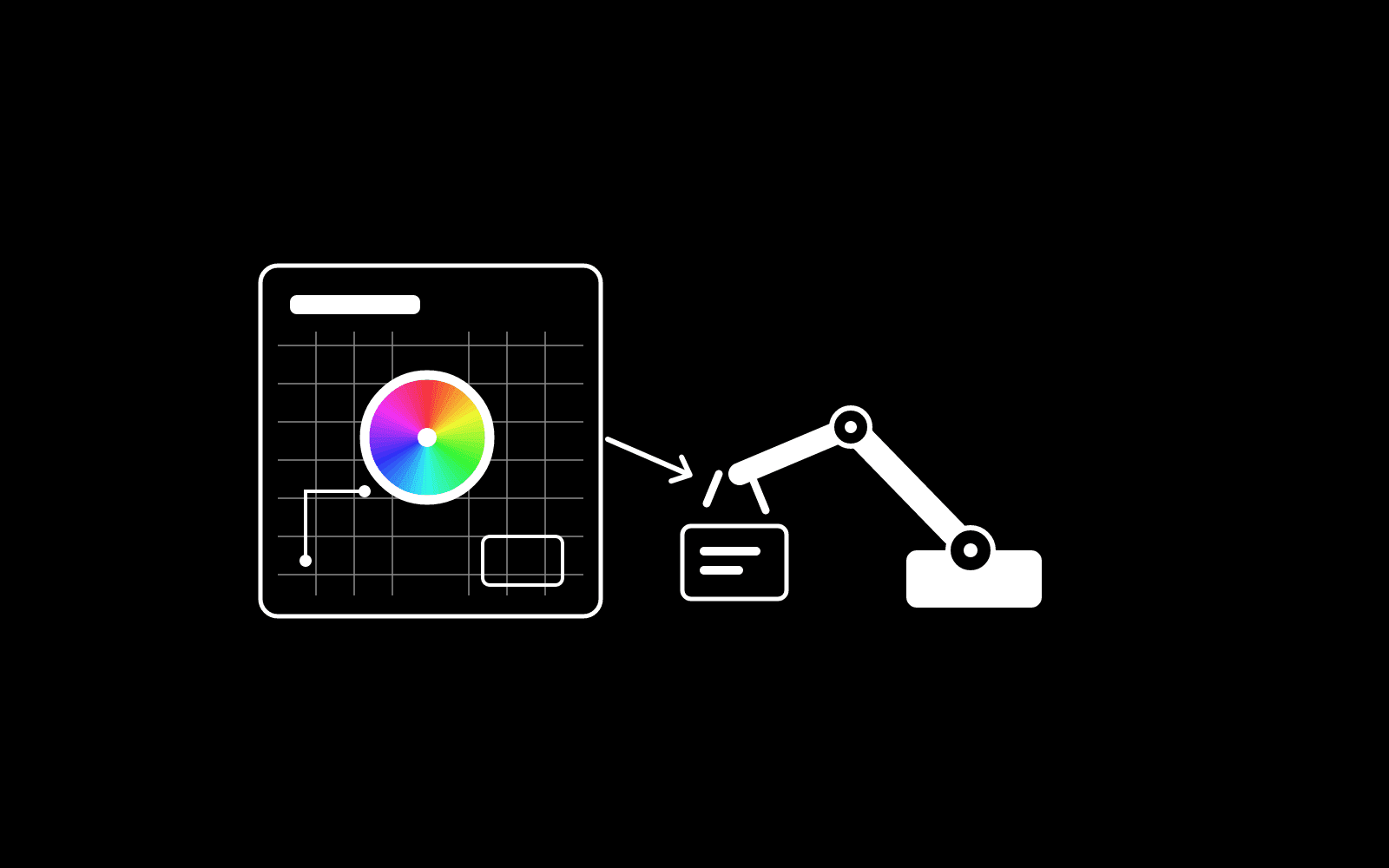
The Intelligence Is Ours. AI Is Outsourced Execution.
AI can execute, combine, and accelerate. The direction still has to come from human judgment.
I do not like talking about AI as if intelligence has moved out of people and into tools. That framing makes the tool feel mystical and the person feel smaller. I see it differently.
The intelligence is ours. AI is outsourced execution.
That does not mean AI is simple. It is obviously powerful. It can write, code, synthesize, translate, generate images, challenge assumptions, and produce variations faster than any person could manually. But the value of that output still depends on direction.
What are we trying to make? Why does it matter? Who is it for? What should it feel like? What is the standard? What is unacceptable? What tradeoff is worth making? Those are human questions.
When AI is treated as intelligence, people become passive. They wait for the tool to produce the answer. When AI is treated as execution, people become sharper. They define the job, inspect the result, reject the weak version, and push for the better one.
This distinction matters for creative work. The first AI output often looks good because it is fluent. But fluency is not the same as taste. A sentence can be smooth and empty. A mockup can be polished and wrong. A strategy can be coherent and still miss the point.
The person is not valuable because they can produce the first draft. The person is valuable because they can tell what the first draft is missing.
AI makes execution cheaper. That makes judgment more visible. If everyone can generate, the question becomes who can choose, shape, refine, and defend.
I want to use AI as much as possible, but I do not want to surrender the authorship of the decision. The tool can carry weight. It can do the repetitive motion. It can help me see paths I might not have seen. But I am still responsible for where we go.
That is the creative contract: outsource execution, keep intelligence accountable.
— Victor