Blog
Notes on design, data, and AI
Shorter writing on design, engineering, and the work in between.
Loading…
Shorter writing on design, engineering, and the work in between.
Loading…
AI does not replace design judgment. It lets that judgment travel further into the build.
Innovation is not only a growth strategy. When better tools are reachable, refusing to improve becomes a responsibility problem.
The old problem was information overload. The new opportunity is turning overload into structure before it becomes stress.
The real product teaches you things a prototype cannot, as long as you ship with care.
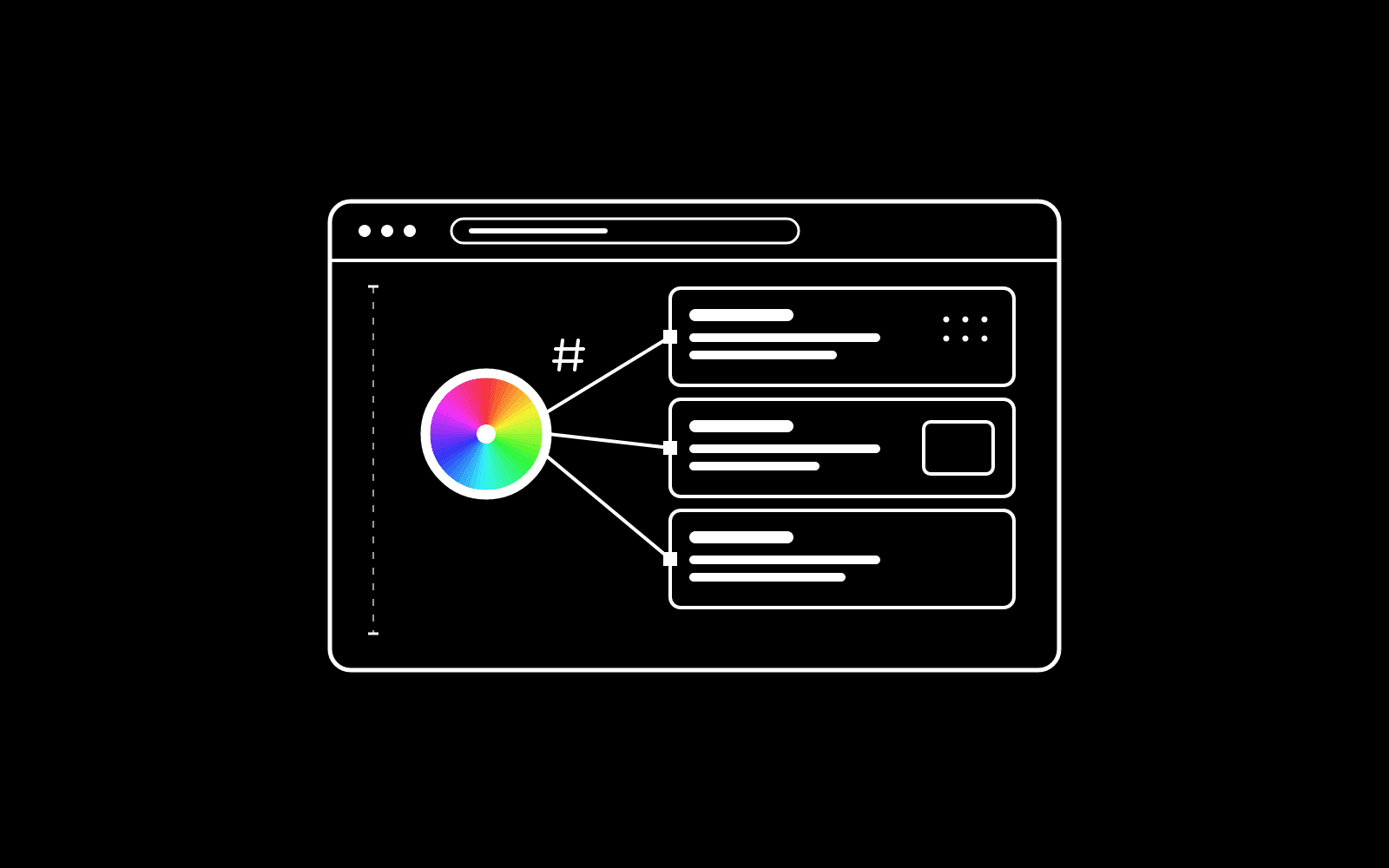
An HTML plan is not a document pretending to be work. It is a small interface for thinking.
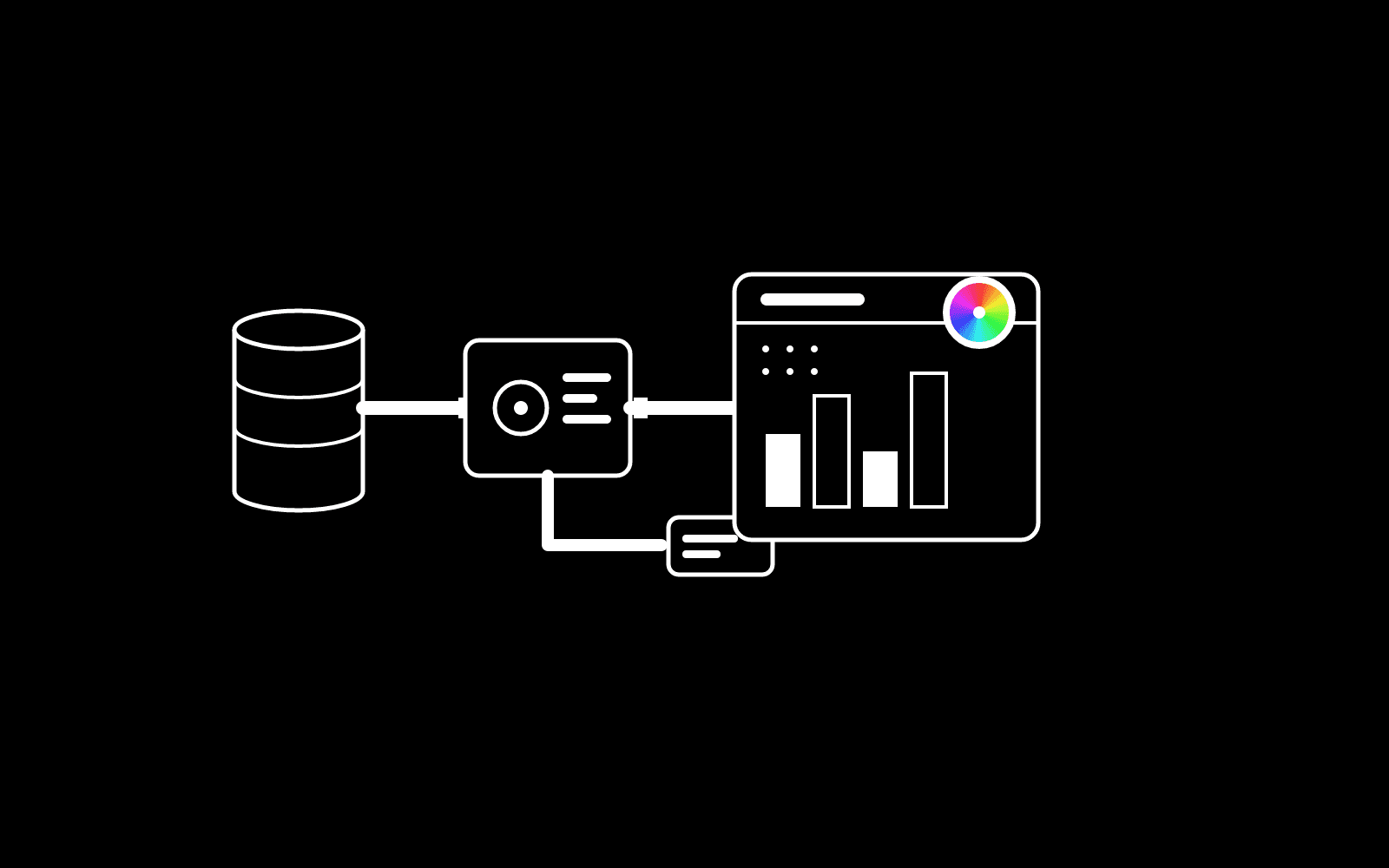
Before a company needs artificial intelligence, it may need a shared database, cleaner workflows, and a dashboard people trust.
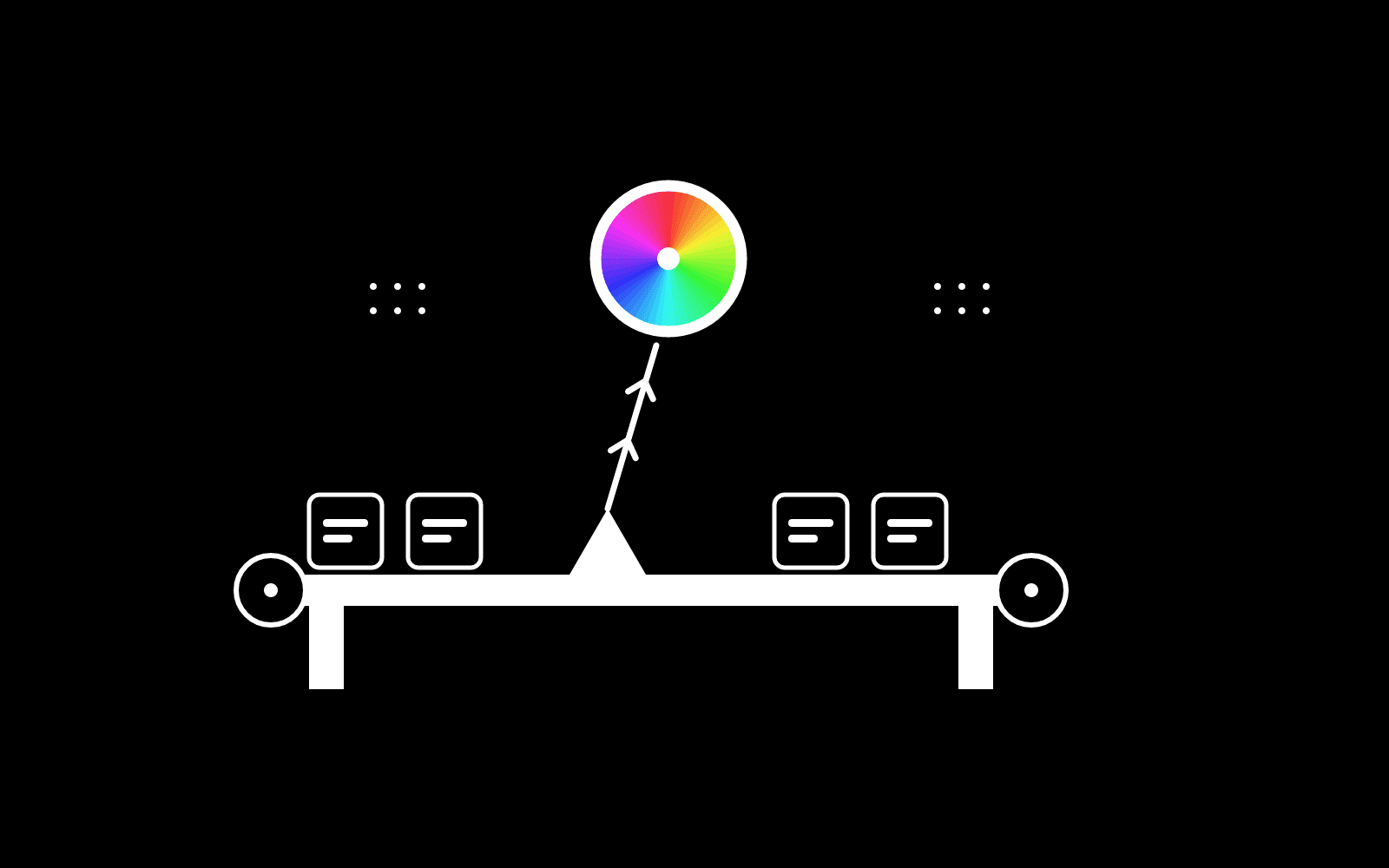
The best use of AI is not to produce the average faster. It is to explore beyond the first obvious answer.
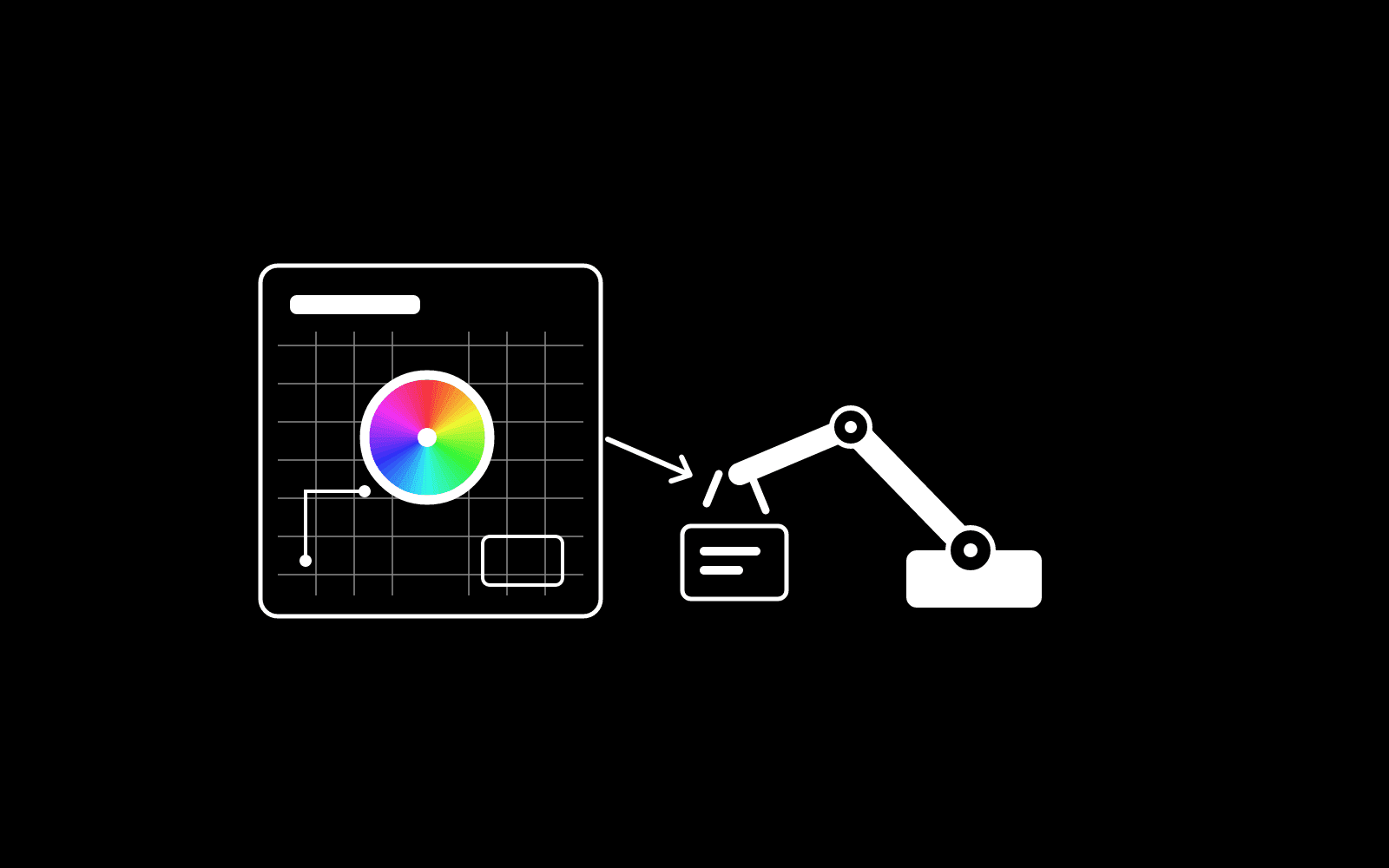
AI can execute, combine, and accelerate. The direction still has to come from human judgment.
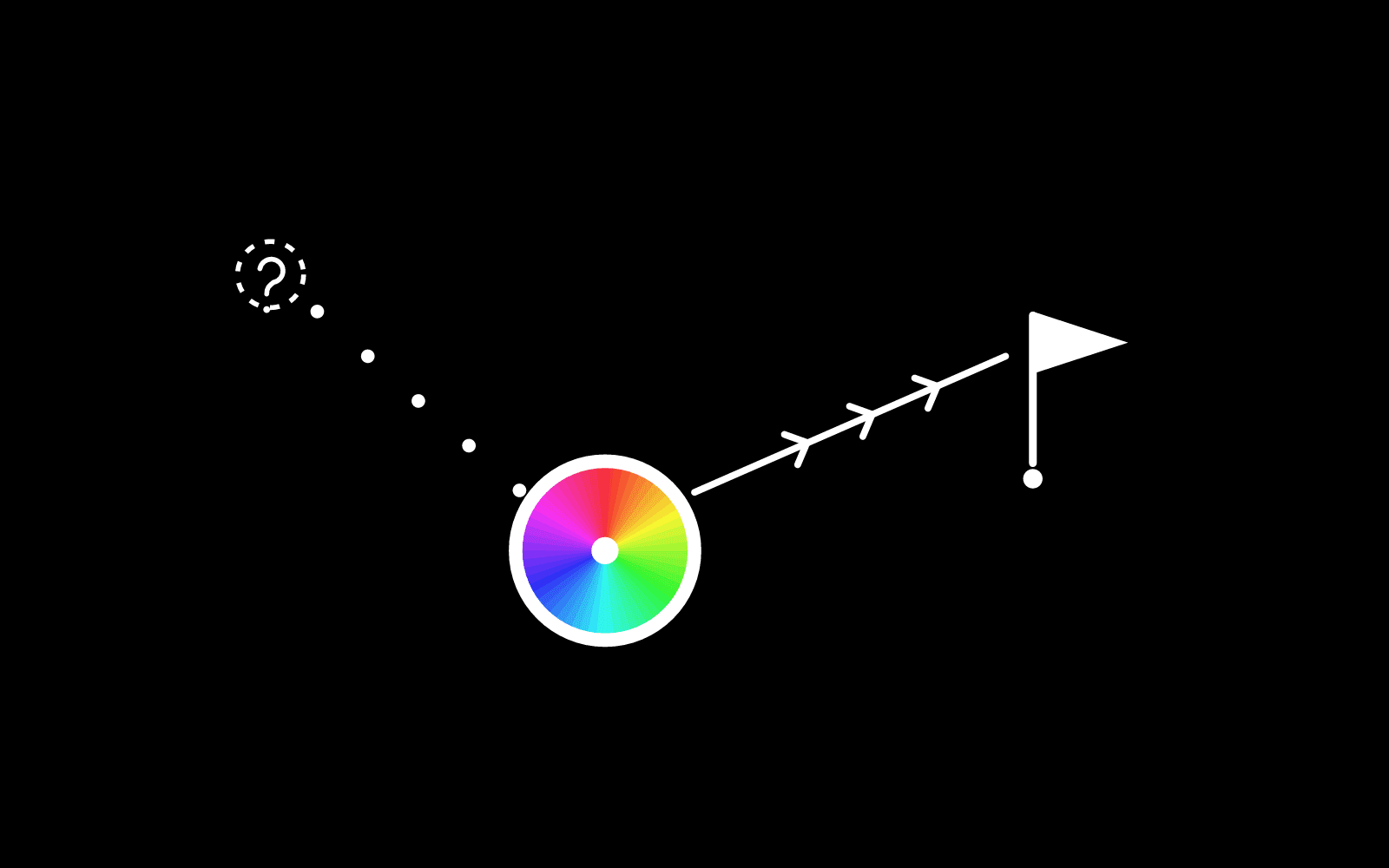
AI is powerful, but it is not a substitute for intent. Without direction, it just helps you move faster in a random direction.
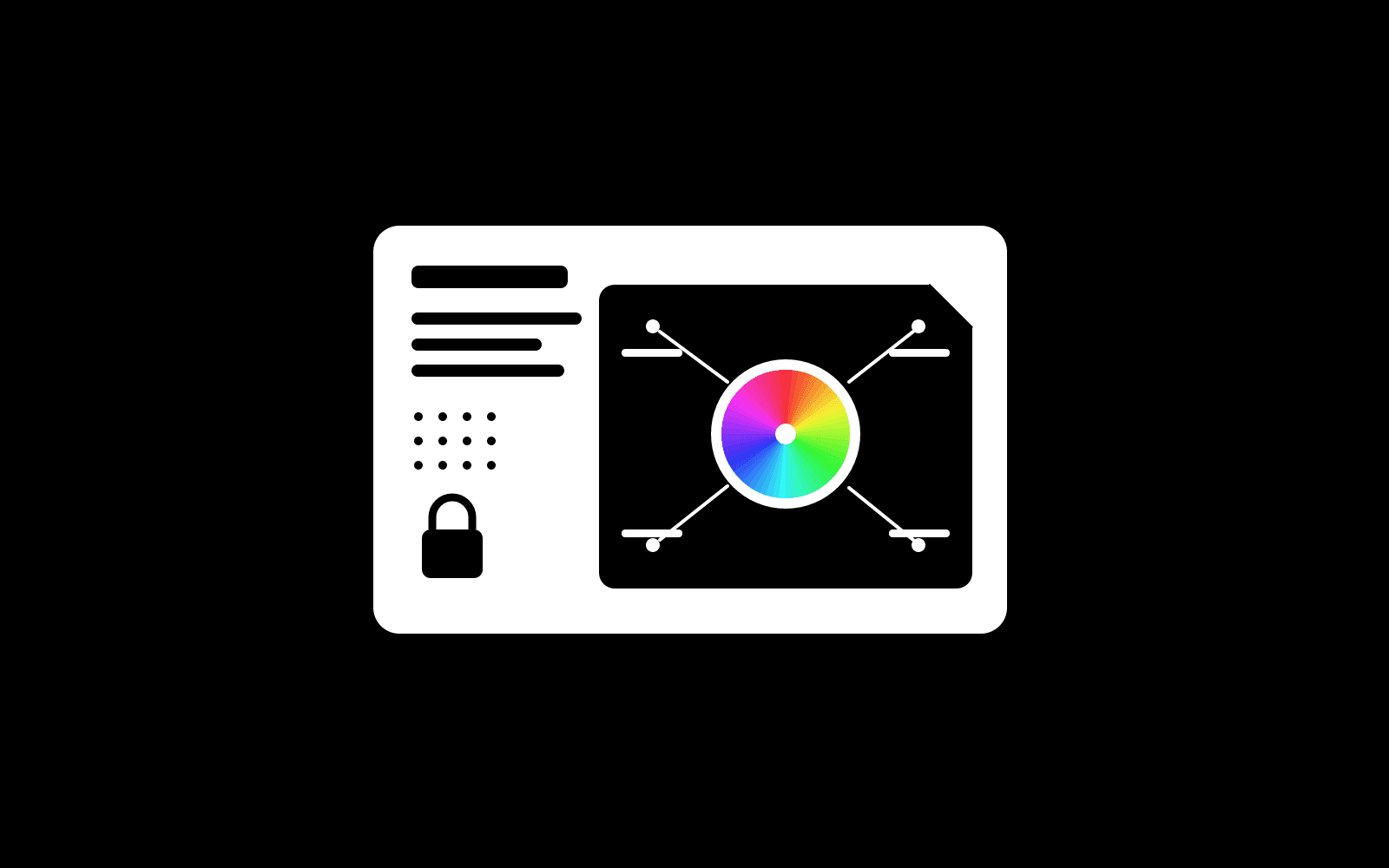
If users cannot understand why a system behaves the way it does, they do not fully have access to it.
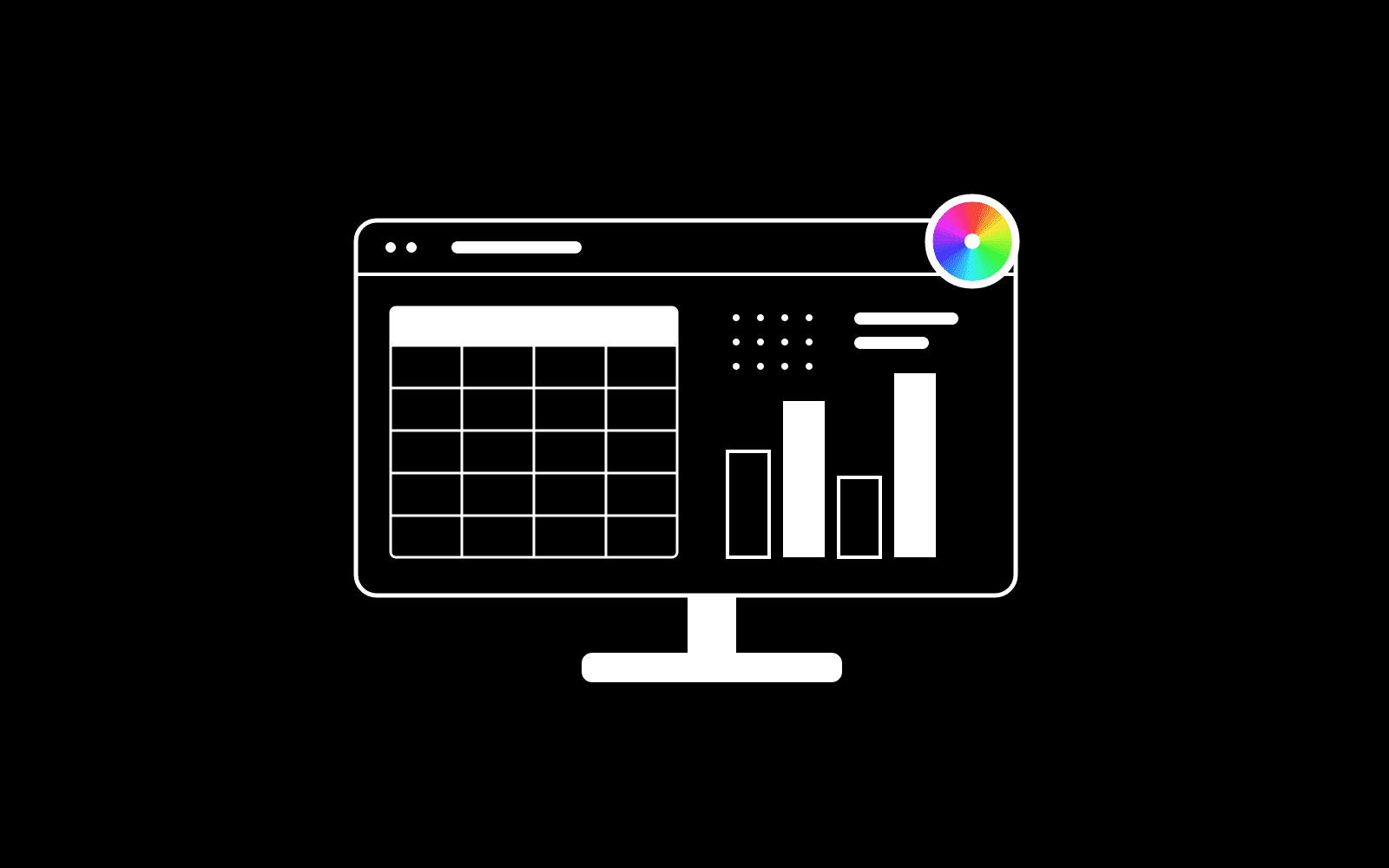
A lot of the world is talking about agents while many businesses still need a reliable dashboard, a clean database, and one less manual spreadsheet.
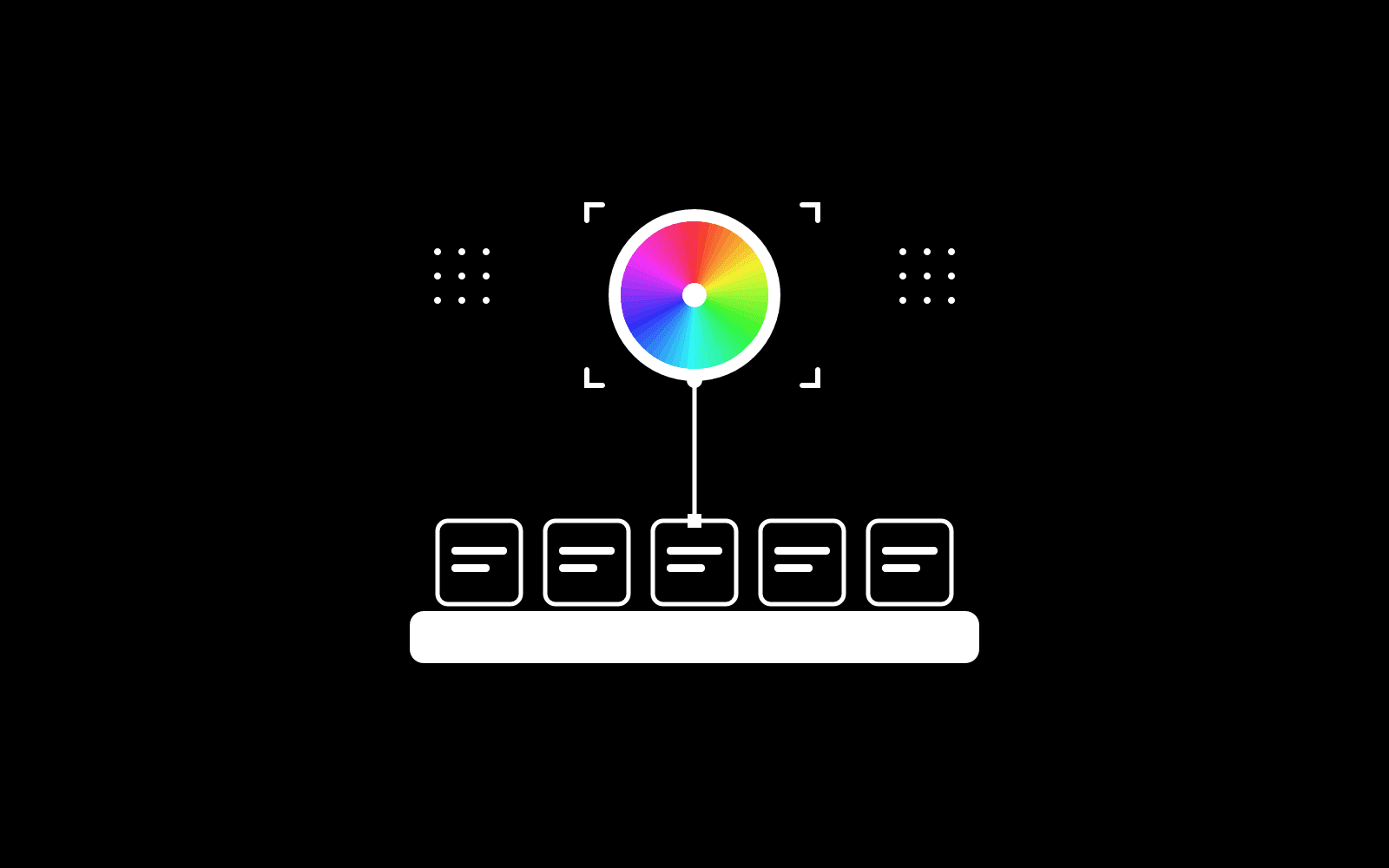
AI raises the floor of creation. Taste still decides where the ceiling is.
If what you ask does not make sense, AI can still answer. That is the danger.
The better question is not whether AI will replace designers. It is who will design how intelligence behaves inside products.
AI gave everyone a competent first draft. Seniority is now defined by what you do in the second draft.
Nothing teaches you what design actually is faster than designing for a context where being wrong has a body count.
Data reveals patterns and challenges assumptions — but it rarely arrives with the full explanation attached.
A nurse at 3 a.m. is not your average user. The interface isn't a productivity tool — it's safety equipment.