Prompting Is Mostly Logic
If what you ask does not make sense, AI can still answer. That is the danger.
A lot of people talk about prompting as if it were a secret language. Use this phrase. Add this role. Put the instruction in this order. There are useful techniques, but the deeper skill is simpler and harder.
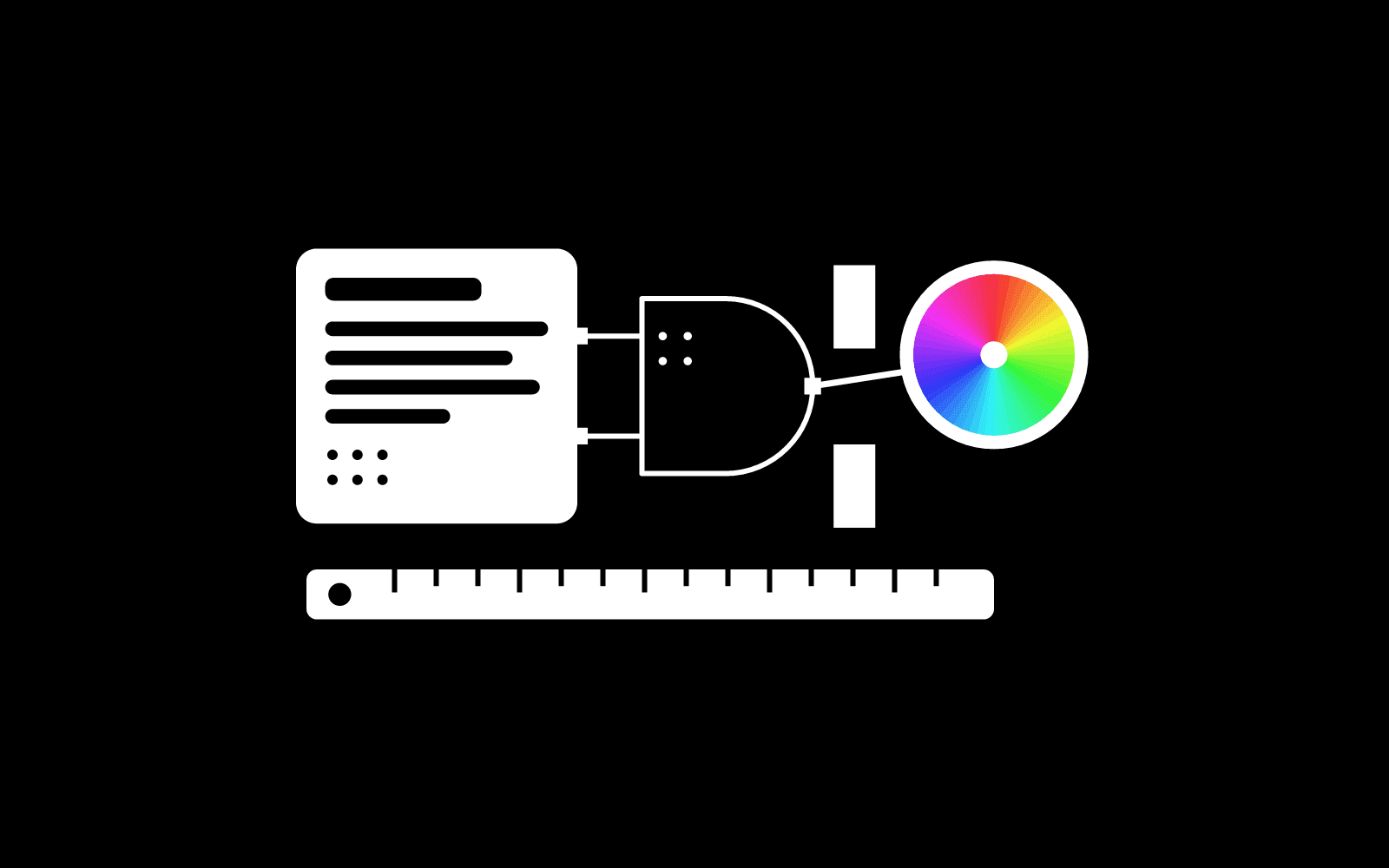
Prompting is mostly logic.
If the request is contradictory, the output will be compromised. If the goal is vague, the answer will be generic. If the constraint is missing, the model will invent one. If the evaluation criteria are unclear, you will not know whether the answer is good.
This is not because AI is stupid. It is because AI is extremely willing to continue. It will produce something even when the premise is weak. That can feel impressive until you realize it has helped you avoid thinking.
A good prompt contains a chain of intent. Who is this for? What situation are they in? What outcome should change? What constraints matter? What should be avoided? What format will make the answer useful? What does good look like?
That is logic. It is the same logic behind a good design brief, a good product requirement, a good critique, or a good bug report.
If what you ask does not make sense, AI can still answer. That is the danger.
The best way to get better at prompting is not to collect prompt templates. It is to practice making your thinking explicit. Write the assumptions. Name the audience. Define the tradeoff. Say what would make the result unusable. Ask the model to check for contradictions before it solves the problem.
This is why AI rewards clear thinkers. Not because they know special commands, but because they can turn messy intention into structured direction.
Prompting is not the new literacy because everyone needs to become a prompt engineer. It is the new literacy because more work will depend on our ability to express logic clearly enough that machines can help without taking over the judgment.
— Victor