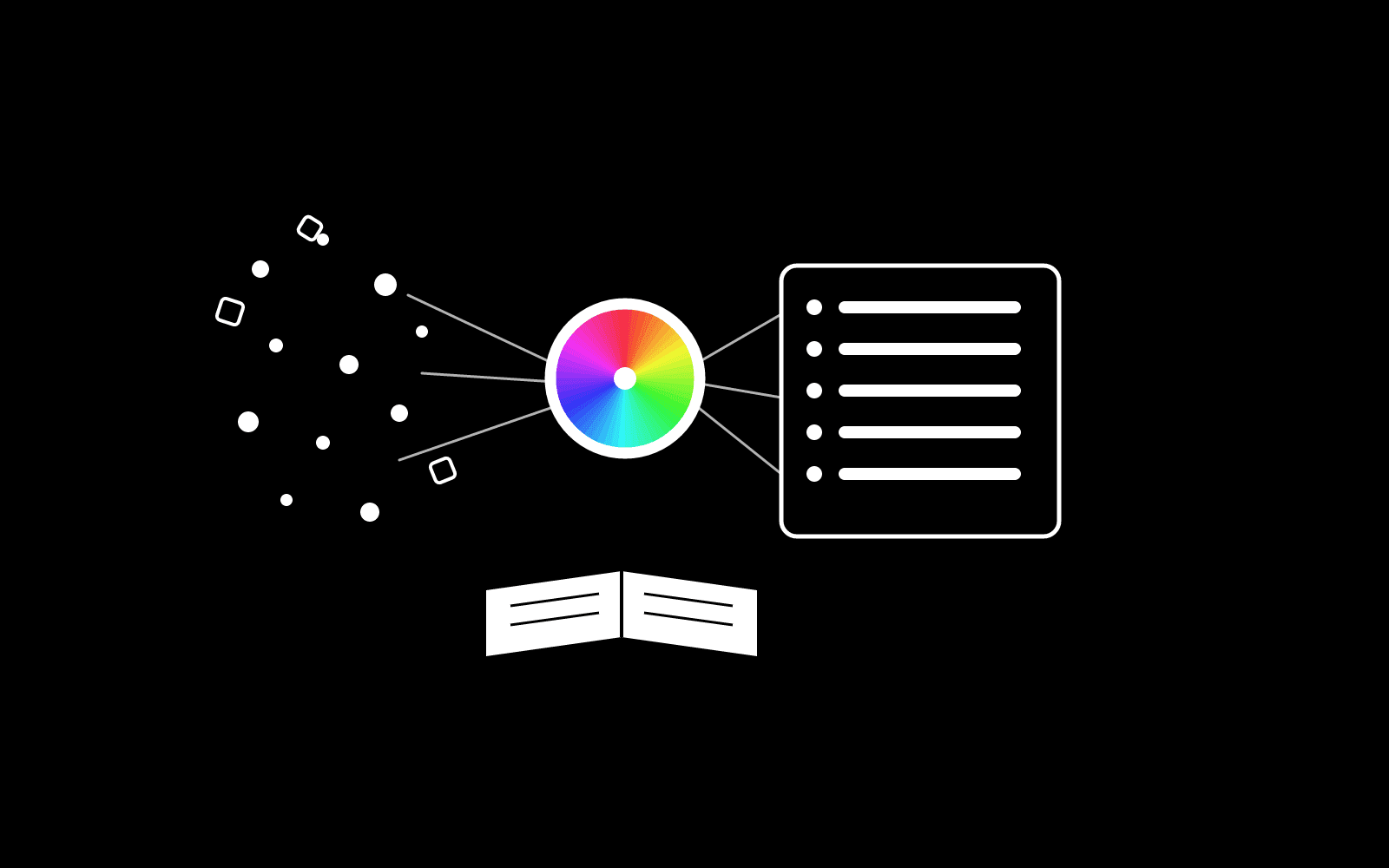
The Organized Mind, Revisited With AI
The old problem was information overload. The new opportunity is turning overload into structure before it becomes stress.
Daniel Levitin's The Organized Mind is about a problem that has only become more intense: we are surrounded by more information than our attention can comfortably process.
That problem used to feel like a personal productivity issue. Organize your calendar. Clear your desk. Build better lists. Those things still matter, but software has moved the problem into every workflow. Products now ask users to interpret alerts, dashboards, notifications, emails, search results, metrics, comments, tasks, and recommendations all at once.
The user is not only using the product. The user is organizing the product in their head.
This is where AI can be genuinely useful. Not as a replacement for thinking, but as a way to reduce the organizational burden that software has been placing on people for years.
Imagine opening a product and seeing what changed since yesterday, what requires your attention, what can wait, and what evidence supports that prioritization. Imagine a dashboard that does not just show metrics but explains the pattern. Imagine documentation that adapts to the question someone actually has. Imagine a planning tool that turns scattered notes into decisions, risks, and next steps.
That is not about making people lazy. It is about respecting the limits of attention.
AI can help close the gap between information abundance and usable structure.
Design still has to decide what structure is useful. A summary can be wrong. A simplification can hide risk. A recommendation can overstep. The job is not to let AI organize everything automatically. The job is to design the right relationship between raw information, generated structure, and human judgment.
The best AI experiences will not feel like more information. They will feel like relief. Less hunting. Less re-reading. Less "what am I looking at?" More orientation, more confidence, and more time for the part only people can do: decide what matters.
Sources
- Penguin Random House: The Organized Mind — for book reference and description.
— Victor